
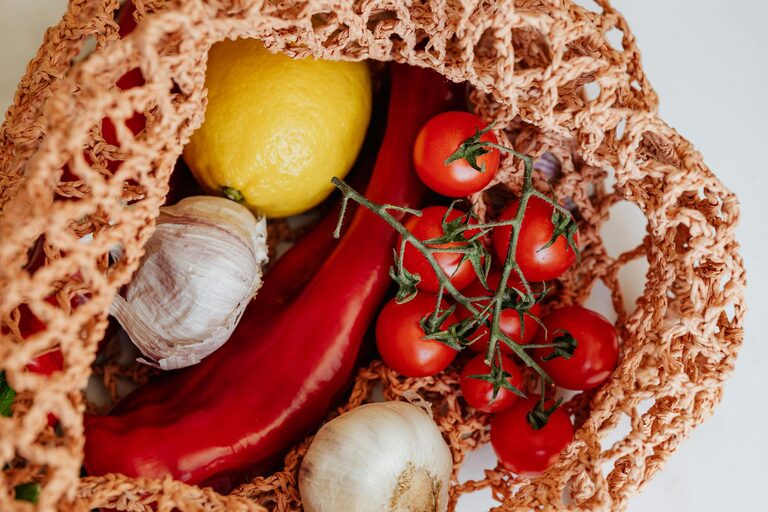
Reducing food waste at home is a win-win for your wallet and the planet. Every year, tons of edible food end up in the trash, contributing to greenhouse gas emissions and lost resources. Fortunately, small changes in your daily routine can make a big difference. This post explores practical ways to cut down on food waste, helping you manage your groceries better and enjoy meals fully.
Why Reducing Food Waste Matters
Food waste not only wastes the food itself but also all the water, energy, and labor that went into producing it. When discarded food decomposes in landfills, it releases methane—a potent greenhouse gas. By cutting food waste, you reduce environmental impact and stretch your food budget further.
Plan Your Meals Thoughtfully
Make a Weekly Meal Plan
Planning your meals ahead helps you buy only what you need. Creating a weekly menu allows you to:
– Avoid impulse purchases.
– Use ingredients efficiently across meals.
– Reduce last-minute takeout temptations.
Prepare a Detailed Shopping List
Once your meals are planned, write a precise shopping list. Stick to it when you shop to avoid overbuying items that might spoil.
Smart Grocery Shopping Tips
Shop with a Full Stomach
Hunger can lead to buying unnecessary food. Have a snack before going to the store to shop more intentionally.
Buy in Smaller Quantities
Unless you share large quantities with others, buying smaller portions helps prevent unused food from spoiling. Fresh produce and perishable items are best purchased in amounts you can use within a few days.
Choose Packages That Match Your Needs
Opt for packaging sizes that suit your household size and consumption patterns, such as individual packs or resealable bags.
Store Food Properly to Extend Freshness
Understand Storage Guidelines
Each food category has ideal storage conditions. For example:
– Leafy greens stay crisp longer when stored in a breathable bag in the fridge’s crisper drawer.
– Bread lasts longer in a cool, dry place or frozen if not used promptly.
– Tomatoes are best kept at room temperature until ripe.
Use Clear Containers
Transferring leftovers and opened items into clear containers in the fridge makes it easier to spot what needs to be eaten soon.
Use Leftovers Creatively
Leftovers don’t have to be boring. Transform them into new meals like:
– Stir-fries with extra vegetables and proteins.
– Soups or stews that combine various ingredients.
– Sandwiches or wraps using leftover meats and veggies.
Labeling leftovers with the date helps keep track of freshness and avoid throwing food away unnecessarily.
Practice Portion Control
Serve reasonable portions to reduce plate waste. You can always save extras for later instead of overfilling plates.
Compost Food Scraps
If you have food scraps like peelings and coffee grounds, consider composting them. Composting keeps organic waste out of landfills and provides nutrient-rich soil for gardening.
Regularly Check Your Pantry and Fridge
Go through your food storage areas weekly to use near-expiration items promptly. Organize shelves so older items are at the front, and new purchases go to the back.
Freeze Excess Food
Freezing is an excellent way to preserve food that you can’t immediately use. Soups, cooked grains, and vegetables are freezer-friendly and save meals from going bad.
Conclusion
Reducing food waste at home is a simple, practical step toward sustainability and saving money. By planning meals, shopping smart, storing food correctly, using leftovers, and composting scraps, you make the most out of your groceries. Incorporate these habits gradually and enjoy the benefits of less waste and more thoughtful eating.
Small actions add up, so start today and help build a greener future—one meal at a time!

