
What is Bullet Journaling?
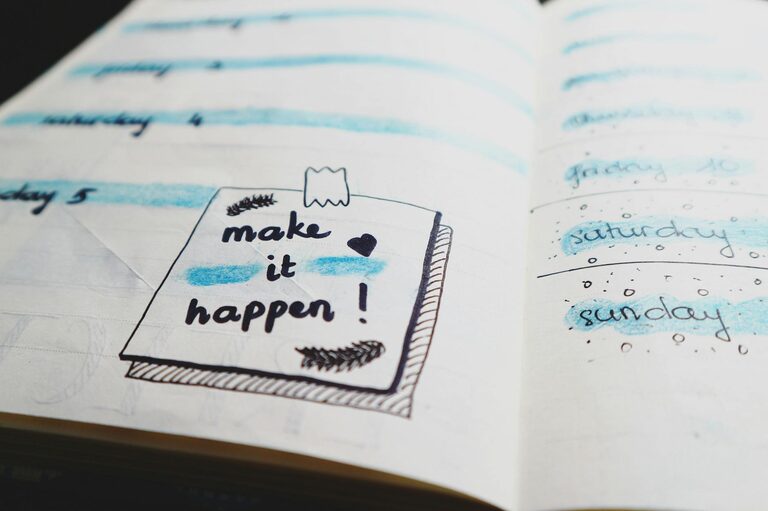
Bullet journaling is a flexible and customizable method of organization that combines a planner, diary, to-do list, and habit tracker all in one notebook. Created by Ryder Carroll, the bullet journal (or “BuJo”) system is designed to help you track the past, organize the present, and plan the future—all tailored to your personal needs.
Unlike traditional planners, bullet journaling allows you to structure your pages however you like, making it both a practical tool and a creative outlet.
Why Start a Bullet Journal?
– Personalized Organization: Build a system that fits your lifestyle instead of adapting your life to a pre-made planner.
– Flexibility: Add, remove, or change spreads and layouts as needed.
– Focused Productivity: Break down tasks and events with bullet points, symbols, and collections.
– Creativity: Decorate pages with colors, sketches, or stickers to make planning enjoyable.
– Mindfulness: Reflect on your habits, goals, and accomplishments regularly.
What You Need to Begin
Starting a bullet journal doesn’t require expensive materials or fancy tools. Here’s what you’ll generally want to have:
– A Notebook: Choose any notebook you like. Popular options include dotted or grid notebooks, which make it easier to align lists and layouts.
– Pen or Pencil: Begin with simple pens or pencils. As you progress, you might enjoy adding colored pens or markers.
– Ruler: Helpful for drawing straight lines and organizing pages neatly.
– Optional Supplies: Stickers, washi tape, or stencils for decoration if that interests you.
Basic Components of a Bullet Journal
1. Index
The Index serves as a table of contents, helping you quickly find specific pages or topics. Number your journal pages, then list these page numbers alongside the spread titles or topics in the index.
2. Future Log
The Future Log captures events, appointments, and goals scheduled months ahead. It usually covers several months on one or more pages.
3. Monthly Log
Each month gets its own overview, which can include:
– A calendar page with important dates.
– A task list for that month.
– Space for monthly goals or notes.
4. Daily Log
Daily Logs are where you jot down tasks, events, and notes on a day-to-day basis. You can add bullet points to indicate different types of entries:
– Tasks (•)
– Events (○)
– Notes (-)
Mark completed tasks with an “X” and migrated tasks (those carried forward) with a “>”.
5. Collections
Collections are themed lists or pages for specific interests, such as:
– Books to read
– Habit trackers
– Meal planning
– Travel plans
Step-by-Step Guide to Setting Up Your First Bullet Journal
Step 1: Set Up Your Index
At the very beginning of your notebook, leave a couple of pages for the Index. As you add content later, update it with page numbers and titles.
Step 2: Create the Future Log
Divide two pages into sections for each upcoming month. Add key dates or events that you know of in advance.
Step 3: Prepare Your First Monthly Log
Write the current month at the top of a new page. Create a simple numbered list of days or draw a calendar grid. On the adjacent page, list tasks to accomplish this month.
Step 4: Start Your Daily Logs
Each day, create a new entry with the date and list tasks, events, and notes using bullet symbols. This is a flexible space, so adjust as you learn what works for you.
Step 5: Add Collections
Include any specific lists or trackers useful to your routine. For example, a habit tracker helps monitor daily habits such as exercise, water intake, or reading.
Useful Tips for Beginners
– Keep It Simple: Start with basic layouts to avoid feeling overwhelmed.
– Be Consistent: Use your bullet journal daily to build a productive habit.
– Adapt as You Go: Your planner should evolve with your needs—don’t hesitate to try new layouts.
– Use Symbols: Develop a key for bullets and signifiers (e.g., * for priority tasks).
– Reflect Regularly: Take time each week or month to review progress and adjust your system.
Common Mistakes to Avoid
– Trying to decorate pages too much before mastering the core system.
– Overloading your daily logs with too many tasks.
– Neglecting to update your index, making it hard to locate pages.
– Comparing your journal to others’—bullet journaling is a personal process.
Inspiration to Keep You Going
Many bullet journaling enthusiasts share their spreads and ideas online through blogs, Instagram, and YouTube. Browsing these can spark your creativity and help you discover layouts that suit your style.
Final Thoughts
Bullet journaling is more than just a planner—it’s a tool to increase awareness, cultivate good habits, and enjoy creativity while staying organized. Starting simple and customizing as you grow will help you unlock the many benefits this unique system offers.
Give it a try, and watch how your days become more intentional and organized!

